From Japanese craftsmanship to a global motorcycle name
Suzuki’s story starts long before superbikes and sand dunes. The company began in Japan as a maker of precision weaving looms, where accuracy, repeatability, and manufacturing discipline were not marketing words—they were survival. That mindset carried into Suzuki’s move toward engines and mobility. By the early post-war era, affordable transportation mattered, and Suzuki’s early small-displacement motorcycles and motorized bicycles answered that need with compact packaging, approachable ownership costs, and a reputation for machines that simply kept running. In the early 1950s, Suzuki entered the modern motorcycle market with lightweight designs that emphasized usable torque, predictable handling, and mechanical layouts that owners and technicians could understand. Those foundations created a worldwide identity: dependable performance without fragile complexity.
The two-stroke era: light weight, fast learning, and unforgettable classics
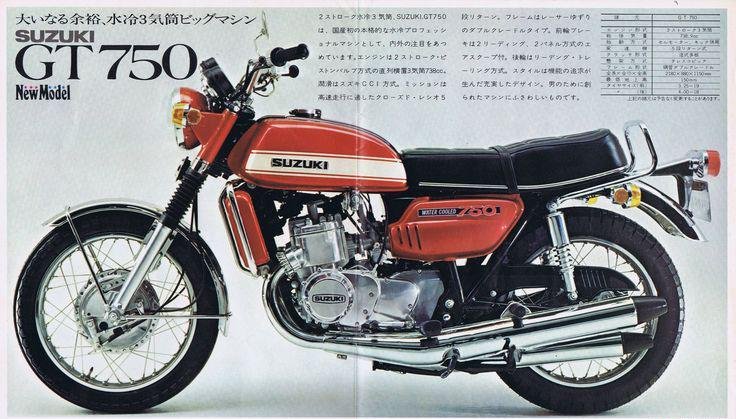
In the 1960s and 1970s, Suzuki became closely associated with high-output engines in relatively light chassis—an advantage that made motorcycles feel lively on city streets and surprisingly capable on open roads. Two-stroke engineering, when executed well, rewarded riders with strong power delivery for the displacement, and Suzuki’s continuous refinement focused on smoother fueling, better cooling strategies, and stronger reliability over long rides. This period also introduced many of the “legendary garage bikes” that enthusiasts restore today, including classic GT machines that represent the character of that era: energetic acceleration, distinctive engine note, and a mechanical honesty that riders still celebrate.
Racing influence: building street bikes with track discipline
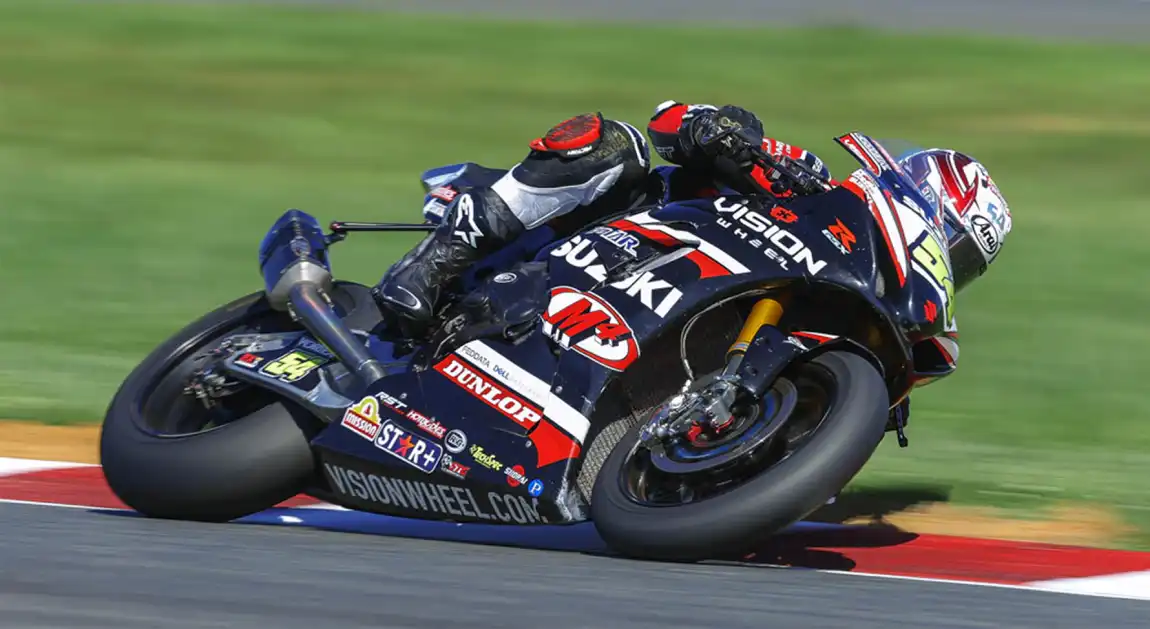
Suzuki’s racing culture didn’t exist separately from its consumer motorcycles—it fed them. Competition pushes engineers to chase weight reduction, improve braking stability, strengthen cooling efficiency, and refine suspension response. Over decades, Suzuki learned to apply those lessons in practical ways: stronger frames without excess mass, suspension tuning that improves rider confidence over uneven surfaces, and engine designs meant to deliver repeatable performance rather than one perfect lap. This is one reason Suzuki motorcycles became popular across different riding styles: commuters appreciated reliability, while enthusiasts respected how naturally Suzuki machines could be pushed.
GSX-R: a sportbike blueprint that changed expectations
The mid-1980s marked a turning point when Suzuki introduced the GSX-R series—sport motorcycles designed around a simple promise: bring race-inspired thinking to the street without losing the everyday rideability that owners need. The GSX-R philosophy made lightweight design central, because weight affects everything: acceleration, braking distance, tire load, turn-in feel, and even fatigue on long rides. Across generations, GSX-R models matured with stronger chassis rigidity, refined suspension geometry, improved cooling approaches, and modern fuel metering technologies. The result was a family of motorcycles that became a benchmark: quick, precise, and balanced when properly maintained and set up.
Hayabusa: a modern icon built around stability and presence
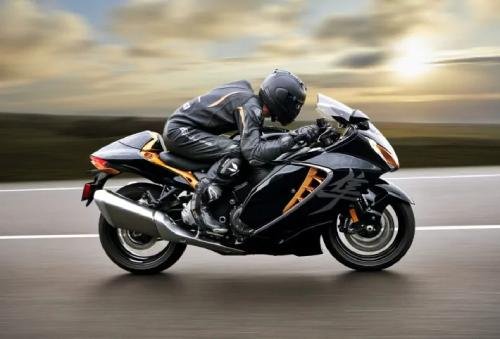
When Suzuki introduced the GSX1300R Hayabusa, it became a worldwide symbol of high-performance engineering. Beyond the headlines and the cultural legend, the Hayabusa’s identity is tied to a concept many experienced riders value: stability at speed and composure under load. A long, planted feel, aerodynamic design language, and a strong engine platform created a motorcycle that attracted riders who wanted power with touring-capable comfort. In real ownership, the Hayabusa also became known for its tuning community and long-distance setups, where comfort, braking confidence, and reliability matter just as much as acceleration.
Motocross RM: off-road DNA and championship attitude
Suzuki’s off-road reputation is inseparable from the RM motocross line. Motocross punishes machines: hard landings, constant throttle changes, heat, dust, and repeated impacts that test chassis integrity. RM development emphasized suspension reaction, predictable cornering behavior, and power delivery that helps riders maintain traction rather than fight the bike. For many riders, RM motorcycles also served as a training tool—teaching throttle control, body positioning, and mechanical respect. That culture, built through the 1980s and 1990s, helped cement Suzuki’s presence in off-road communities worldwide.
ATVs: desert toughness, family fun, and Suzuki’s LT legacy
Suzuki brought the same engineering discipline to ATVs: balance, traction, and mechanical durability in real terrain. In regions where sand, gravel, and heat are part of the riding experience, stability and cooling reliability become critical. Suzuki ATVs gained trust because they were designed to be predictable—easy to read in corners, consistent under throttle, and serviceable with parts and expertise that owners could access. Sport ATV culture later elevated models such as the LT-Z400, widely respected for its balanced chassis behavior and strong engine platform that suits dunes, trails, and spirited recreational riding.
LT-50 and LT-80: youth ATVs that shaped the 80s and 90s
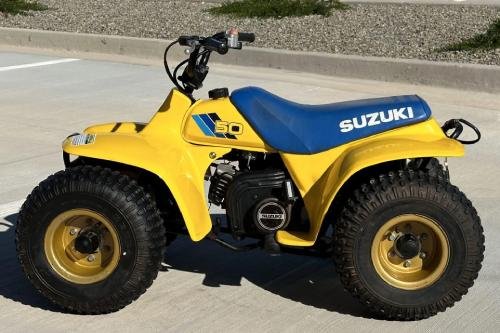
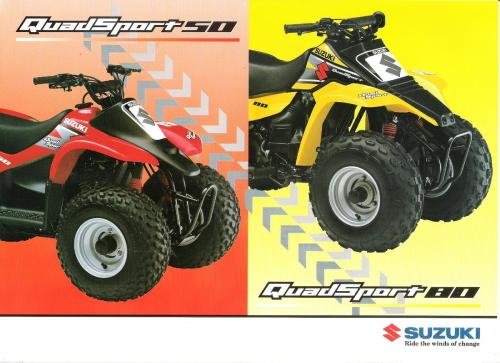
Few products carry as much nostalgia as Suzuki’s youth ATVs. In the 1980s and 1990s, families across many markets used small Suzuki quads to introduce younger riders to off-road skills with manageable performance. The LT-50 became a famous entry point because it offered a simple, confidence-building ride. The LT-80 became a memorable step-up model for kids who outgrew the smallest machines but still needed predictable, family-friendly control. For many riders, these were the machines that started everything: weekend rides, learning how to respect throttle and brakes, and discovering the thrill of safe off-road fun.
Cruisers and small models: comfort, accessibility, and long-term ownership
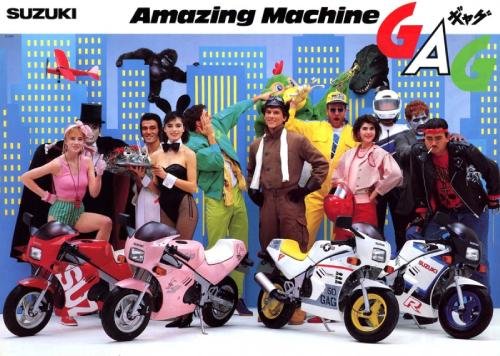
Suzuki’s identity is not only built on sport and dirt performance. Cruiser motorcycles like the Intruder and later Boulevard series focused on relaxed ergonomics, smooth torque delivery, and practical comfort that suits daily riding and touring. These models attracted riders who value a confident low seat height, stable highway manners, and dependable ownership over time. At the other end of the spectrum, Suzuki’s smaller motorcycles—light, efficient, and easy to handle—served as gateways into riding. These machines mattered culturally: they created new riders, supported commuting lifestyles, and formed the backdrop for youth enthusiasm in the 1980s and 1990s, when many kids first fell in love with motorcycles through what they saw in neighborhoods, magazines, and local riding communities.
Suzuki in Saudi Arabia: the Suzuki Barayan legacy since 1959
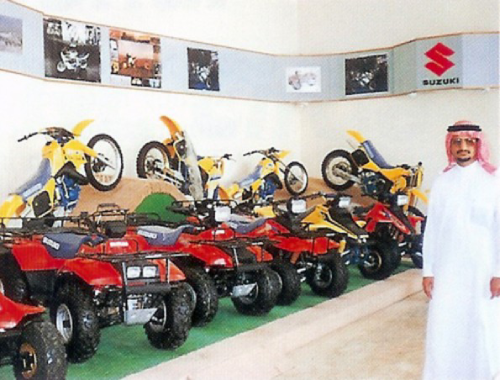
In Saudi Arabia, Suzuki’s story connects strongly to Suzuki Barayan, the sole distributor of Suzuki Motorcycles and ATVs in the Kingdom. Suzuki Barayan is recognized as one of the oldest Suzuki agents in the world, representing the brand continuously since 1959. This long-standing relationship matters because motorcycles and ATVs are not just products—they are ownership ecosystems. Riders need parts availability, trained service, genuine technical support, and local expertise that understands climate, terrain, and usage patterns. Over generations, Suzuki Barayan supported riders across Saudi Arabia with machines suited to extreme heat, desert terrain, and long distances—helping build durable trust in Suzuki reliability, value, and performance.
Quick model highlights
- Vintage Suzuki GT: classic-era personality and heritage that enthusiasts still restore and celebrate.
- GSX-R series: sportbike lineage focused on lightweight performance, sharp handling, and track-inspired refinement.
- GSX1300R Hayabusa: iconic performance presence with a reputation for stability and long-distance setups.
- RM motocross: off-road DNA built around suspension response, durability, and confident cornering behavior.
- LT-50 / LT-80: youth ATVs that shaped family riding culture and created lifelong Suzuki fans.
- LT-Z400: a respected sport ATV platform for dunes, trails, and spirited recreational riding.
- Intruder / Boulevard: cruiser comfort paired with Suzuki reliability for everyday riding and touring.
Conclusion: a legacy built on usable performance and trust Suzuki’s motorcycle and ATV history is not defined by a single model or era, but by a consistent engineering mindset that values balance over excess. From early lightweight machines designed to meet real transportation needs, to legendary sportbikes and off-road platforms that shaped entire riding cultures, Suzuki’s identity has always centered on usable performance. Power was never meant to overwhelm the rider; it was meant to be accessible, controllable, and repeatable in real conditions. What truly sets Suzuki apart is how its machines age in the hands of owners. Decades-old motorcycles are still restored, ridden, and respected not because of nostalgia alone, but because the fundamentals were done right. Clear mechanical layouts, thoughtful chassis design, and reliability under stress created motorcycles and ATVs that earned long-term loyalty rather than short-lived hype. In regions with demanding environments—heat, distance, sand, and daily use—this philosophy proved especially valuable. Local expertise, proper support networks, and practical engineering turned Suzuki products into long-term companions rather than disposable machines. Across generations, Suzuki became more than a manufacturer; it became part of personal histories, family traditions, and the first spark that introduced countless riders to the world of motorcycling. That enduring connection remains Suzuki’s quiet but powerful legacy.